

By Kyle Barker
Completing my exchange in Alicante has been one of the most enriching experiences of my academic and personal life. Beyond the classroom, I had the opportunity to travel extensively across Europe, North Africa, and the Middle East, visiting the UK, Qatar, Italy, Austria, Slovenia, the Czech Republic, Hungary, Germany, Portugal, Croatia, Poland, France, and Morocco. Each country offered unique perspectives, cultures, and experiences, making my exchange a once-in-a-lifetime adventure. Make use of your time in Europe, before, during and after your exchange to travel. Hostels in Europe are generally quite nice, not too expensive, and are a great way to meet people from all walks of life.
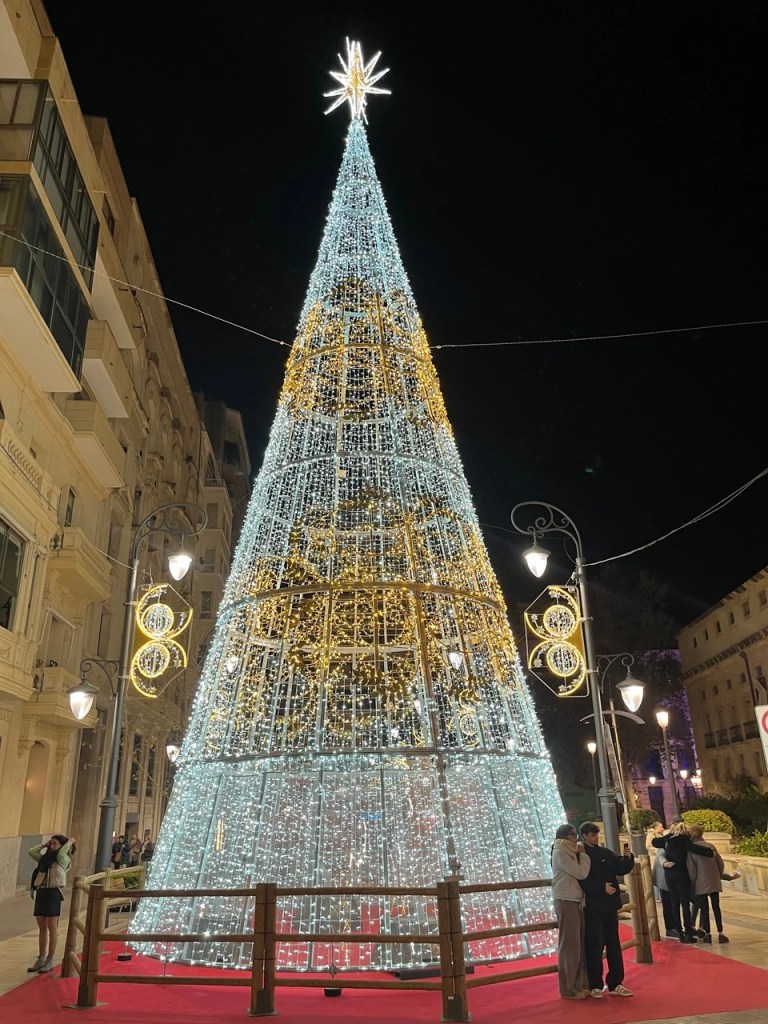
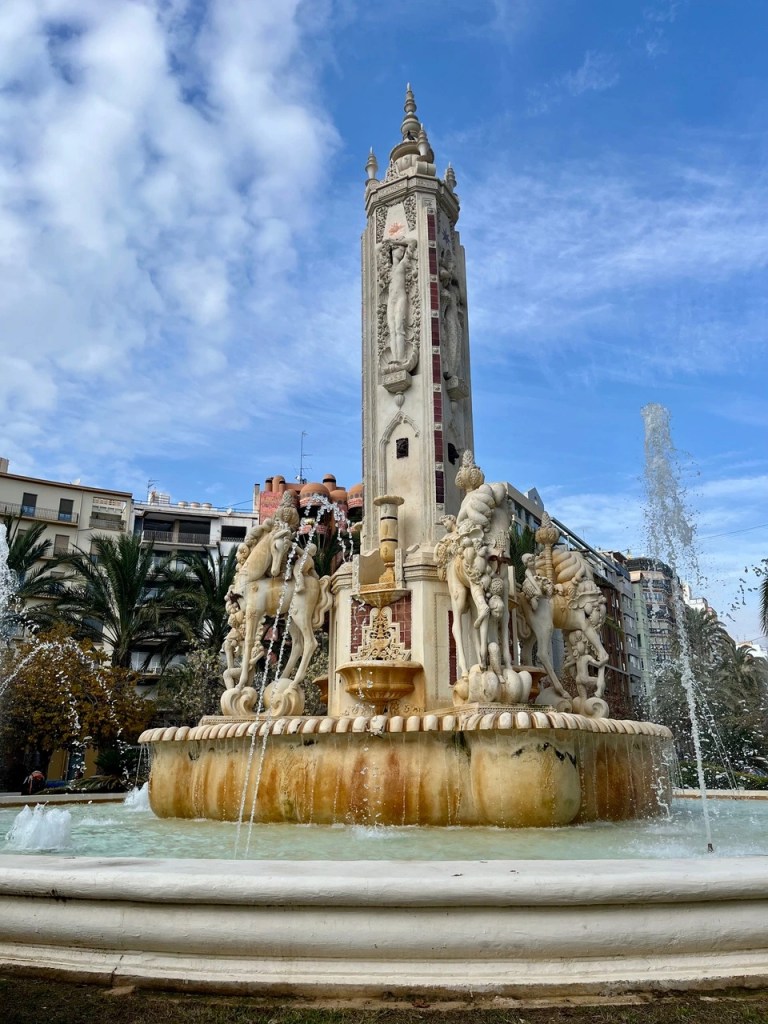
The biggest challenge I faced while abroad was the teaching quality at the University of Alicante, in particular the language barrier despite being enrolled in English-taught classes.
On a personal level, this exchange taught me the value of adaptability and embracing uncertainty. Living in a new country, navigating language barriers, and figuring out unfamiliar environments required me to step out of my comfort zone and think on my feet. At the same time, meeting people from different countries, experiencing local customs, and travelling across Europe broadened my perspective and strengthened my ability to communicate and connect with others from different backgrounds. These experiences showed me that being flexible and open-minded not only makes challenges manageable but also turns uncertainty into an opportunity for growth.
This exchange has certainly inspired me to travel more and embrace new experiences. I strongly encourage everyone to take advantage of the exchange program opportunities at the University of Waikato, and make sure to apply to all exchange scholarships from your division and any other available scholarships.
Useful Tips for an Exchange in Alicante
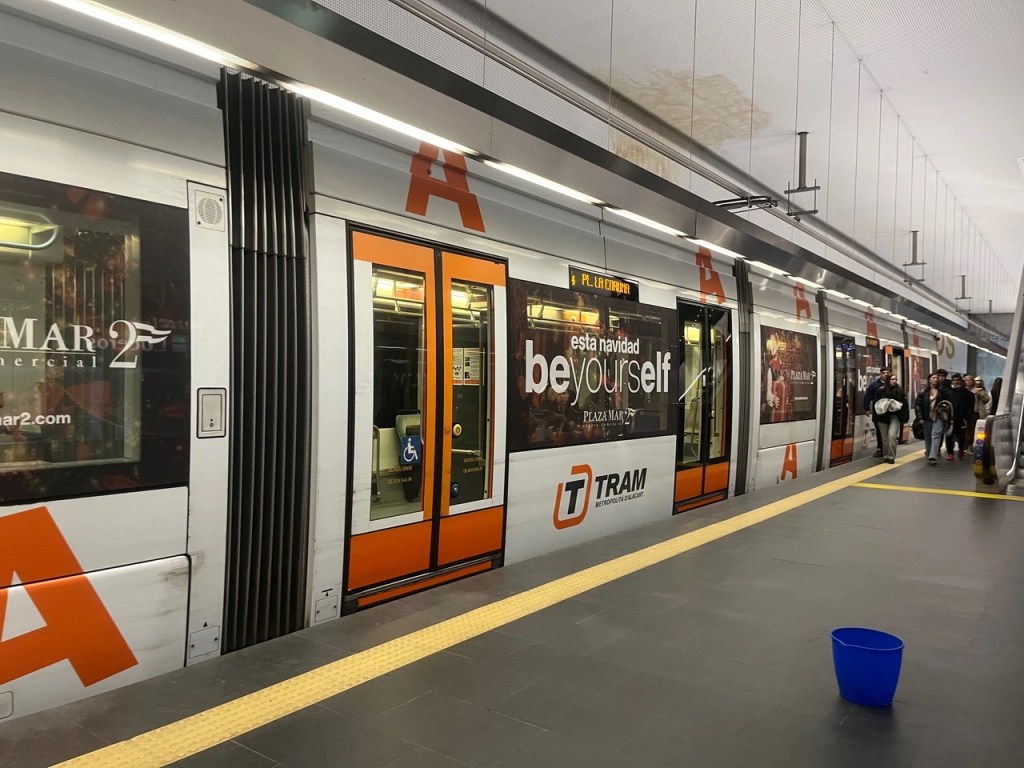
- Stay in town as that is where most of the social and practical activities happen and you are close to the beach. It’s especially useful if you have early morning flights, since the tram from the university doesn’t run 24/7.
- Tram/Bus cards are purchased from a tobacco shop.
- The Airport C6 bus has its own card, which is significantly cheaper than buying trips individually. This card can be purchased on the bus.
- Be careful with your belongings, especially at the beach. If you must take valuables, consider placing them in a plastic container and burying it somewhere secure (and where you can find it later!).
- Some classes don’t use Moodle. Make sure to check UA Cloud regularly, particularly the Newsboard and Learning Docs sections, and use the Evaluation tools to upload assessments.
- Many lecturers do not respond to emails promptly. Use the Tutorials function to send messages to your lecturers instead of emailing.
- To plan your timetable and avoid class clashes:
- Select the correct year in the course outline.
- Check the “Groups” section to identify which group is taught in English.
- Use the “Timetable” section to determine lecture and lab times.
- The Erasmus Student Network (ESN) have a WhatsApp chat for exchange students in Alicante, and it is quite useful if you have any questions or want to meet new people. You should be able to join it during your orientation.
 Waikato Global Experiences Blog