

By: Hayleigh Bond
When people talk about going on exchange, it often sounds dramatic. It’s usually framed as academically intense or personally transformational — a period where everything changes and you return home as a completely different person.
My experience was definitely valuable and memorable, but the reality was a bit less dramatic.
One of the biggest surprises was the academic workload. I expected university abroad to be demanding and structured, similar to what I was used to at home. Instead, it was noticeably lighter. There were fewer assignments, fewer scheduled classes, and much less structured academic time. Rather than weeks defined by constant deadlines and lectures, the semester felt far more flexible. That difference ended up shaping most of the experience.
Academic Structure – Less Class Time, More Flexibility
The exchange university had far less scheduled class time than I expected. Most courses met for a few hours each week, with the rest of the learning happening independently through readings or work outside class.
Typically, each course only had one or two major assignments across the entire semester. Compared to the steady stream of tests and assignments I was used to, university work took up much less of my weekly schedule.
Because of that, study was more flexible, able to be done when it suited rather than being tied to fixed times. Instead of planning life around lectures and deadlines, I could organise study around activities and exploration.
Figuring out the new university system was something I had been a bit worried about. It ended up being fine, although the first few days did feel like being a first-year again while I tried to work out where my timetable was and how to actually access assignments.
Busy, Just in Different Ways
Even with fewer academic commitments, I was still stimulated and rarely bored. What really changed was what filled that time.
Instead of lectures and assignments dominating the week, the extra space meant exploring new places, travelling on weekends, and generally saying yes to opportunities that wouldn’t normally fit into a typical semester.
The Constant Temptation to Be Elsewhere
One challenge I didn’t expect was how hard it could be to stay in one place.
Being based in Europe made travelling between countries surprisingly easy. Flights and trains were relatively cheap, distances were short, and there always seemed to be somewhere new within reach.
Because of that, there was a constant temptation to go somewhere else or to start planning another trip. Cardiff was an amazing city to be based in, but it often felt like there was another place nearby worth visiting.
Balancing that freedom was harder than I expected — not because academic work was overwhelming, but because the option to leave for somewhere interesting was almost always there.
What the Free Time Made Possible
The flexibility of the semester made experiences possible that I never would have expected. My larger trips occurred after the semester ended, but it was only possible because the exchange had already put me in Europe with time to keep travelling.
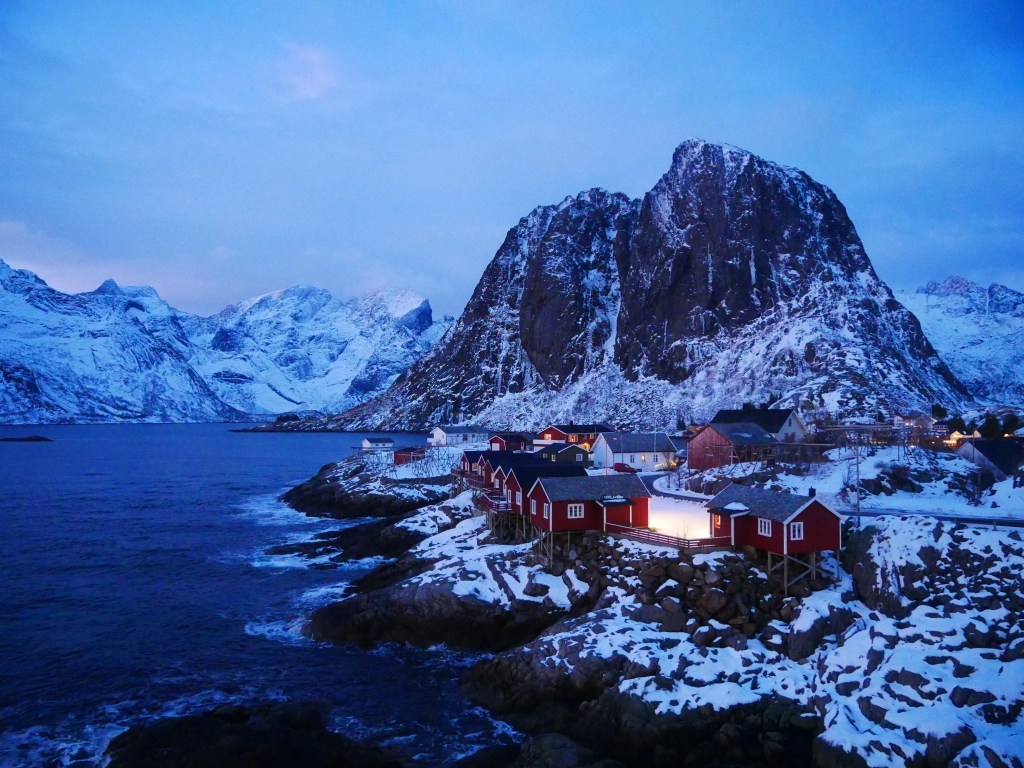
One particularly unforgettable trip was travelling through Norway in winter. The landscapes were unreal — huge fjords, snow everywhere, northern lights, whales, and tiny fishing towns that were almost completely empty. At one point I spent five days in one of those towns and saw only two people the entire time.

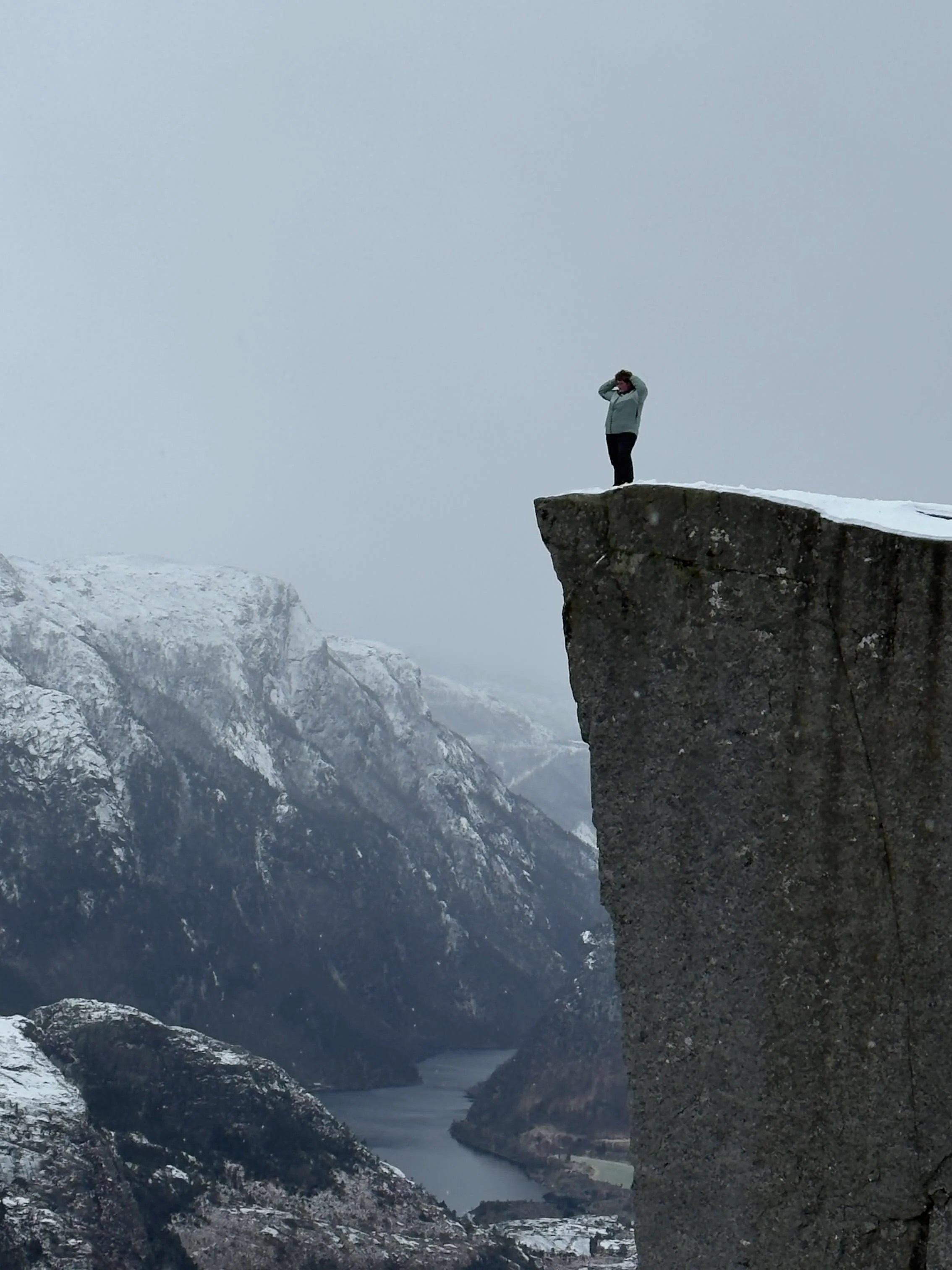
There were also moments that felt slightly less sensible, like standing near the edge of a 604-metre drop above Lysefjord, or swimming when it was −17°C and discovering that wet hair freezes faster than expected.


After Norway, I was able to volunteer on a tall ship sailing in the Mediterranean.
We spent several days without seeing land. Turns out the ocean is very big. After a while it becomes slightly surreal — just water in every direction and the quiet realisation that you are very far from your normal routines.

What the Exchange Actually Changed
Looking back, exchange didn’t suddenly transform me into a completely different student. Academically, it was still about completing courses and making the most of the opportunity.
What really changed was how time was used and what opportunities were available.
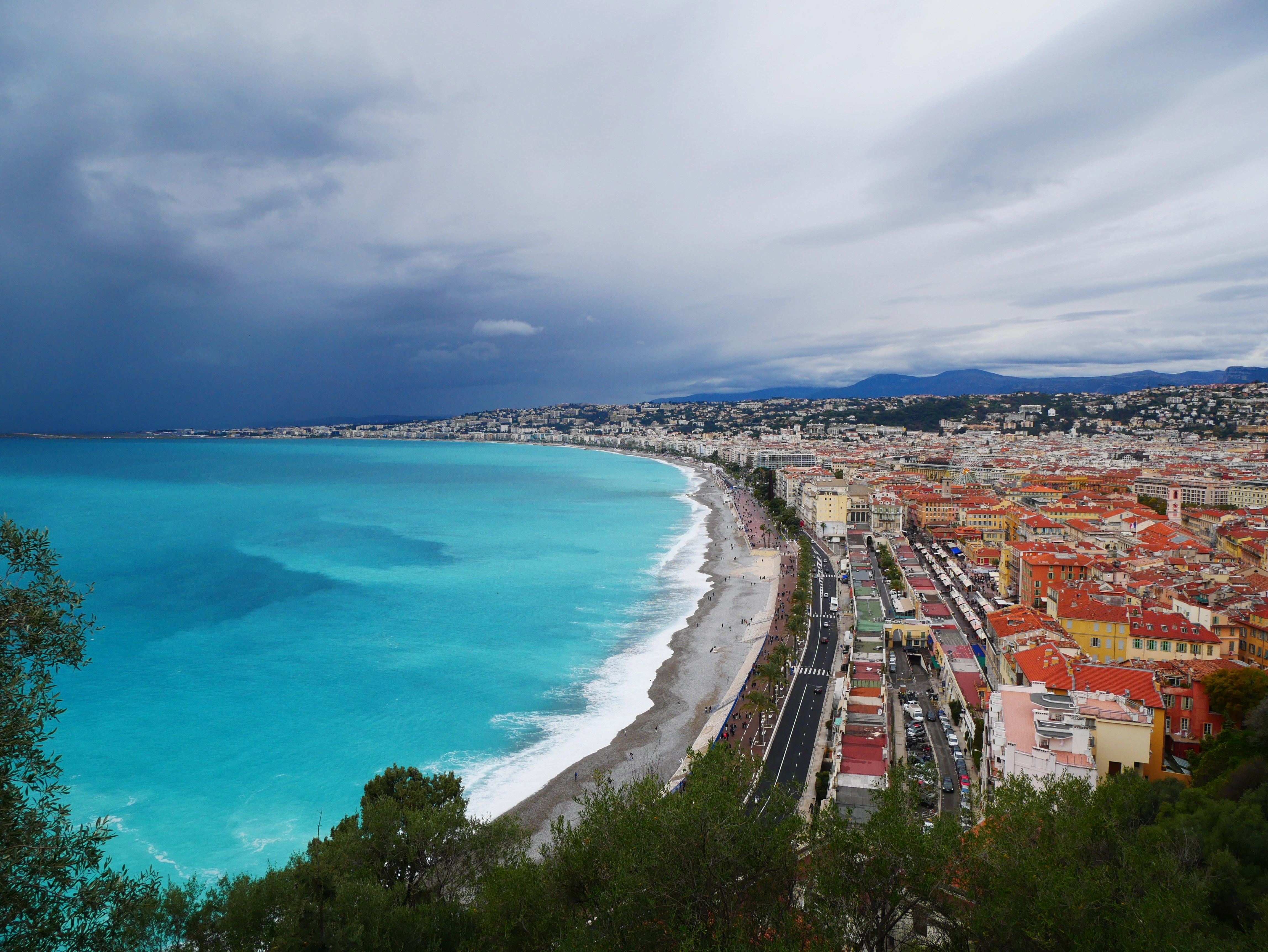
Living in a different place, studying within a different academic structure, and having the freedom to travel expanded what felt normal during a university semester. Weekend trips between countries and sailing across the Mediterranean briefly became part of everyday life.
In the end, the exchange wasn’t defined by coursework or academic pressure. Instead, it was shaped by everything happening around the academics. The lighter structure created space for experiences that normally wouldn’t fit into a semester — and those are probably the parts that will stay with me the longest.
 Waikato Global Experiences Blog