

By: Shreyaa Sen
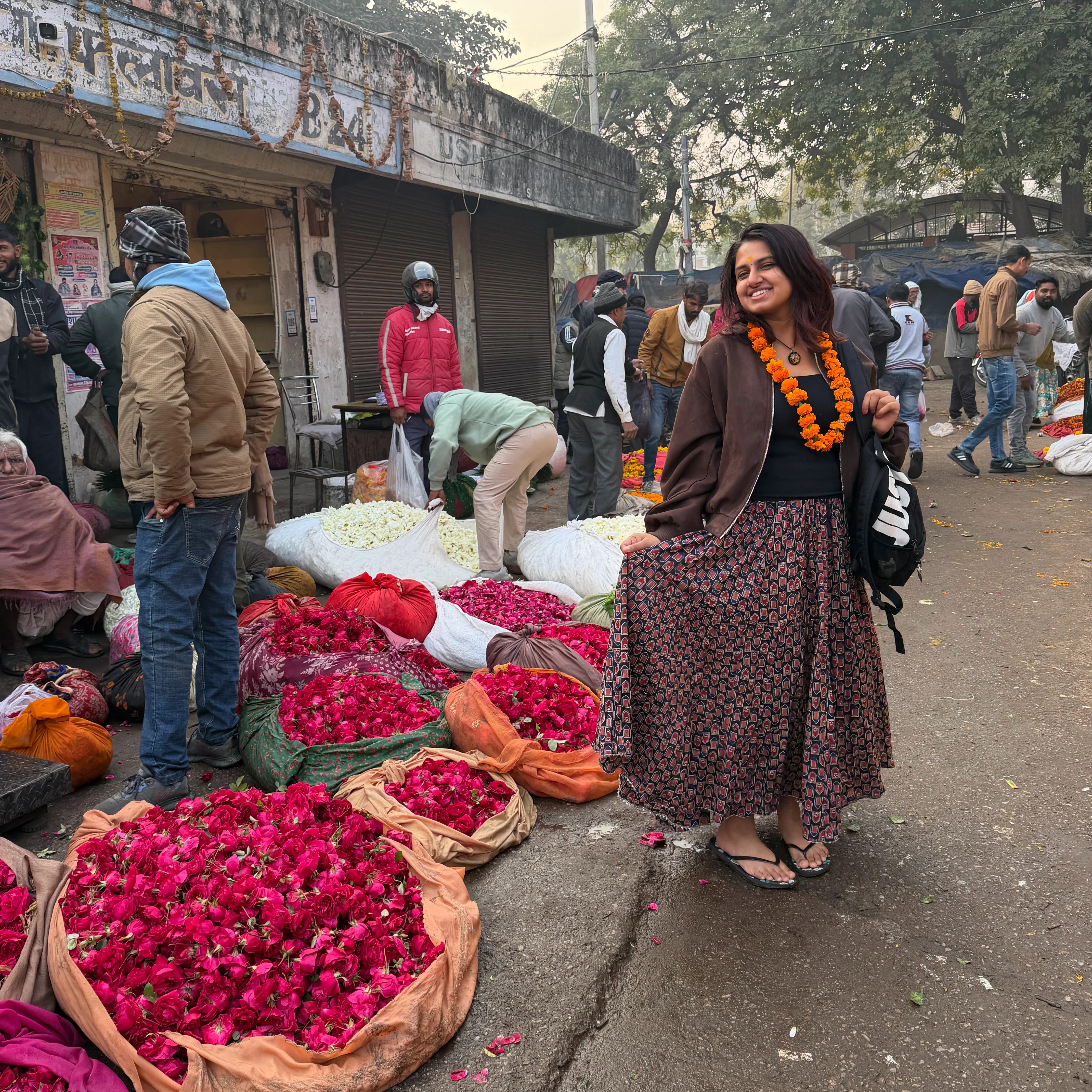
Kia ora, I’m Shreyaa. I’m a Software Engineering student at the University of Waikato. I initially applied for the PMSA India Study Tour for the opportunity to attend the AI for Impact Summit 2026. Going into my final year of study, I was interested in understanding how AI will impact my career in relation to the world, and how jobs are projected to change in the future. However, this scholarship has greatly exceeded my expectations, and I would like to share some highlights from the experience so far.
National Museum in Dehli
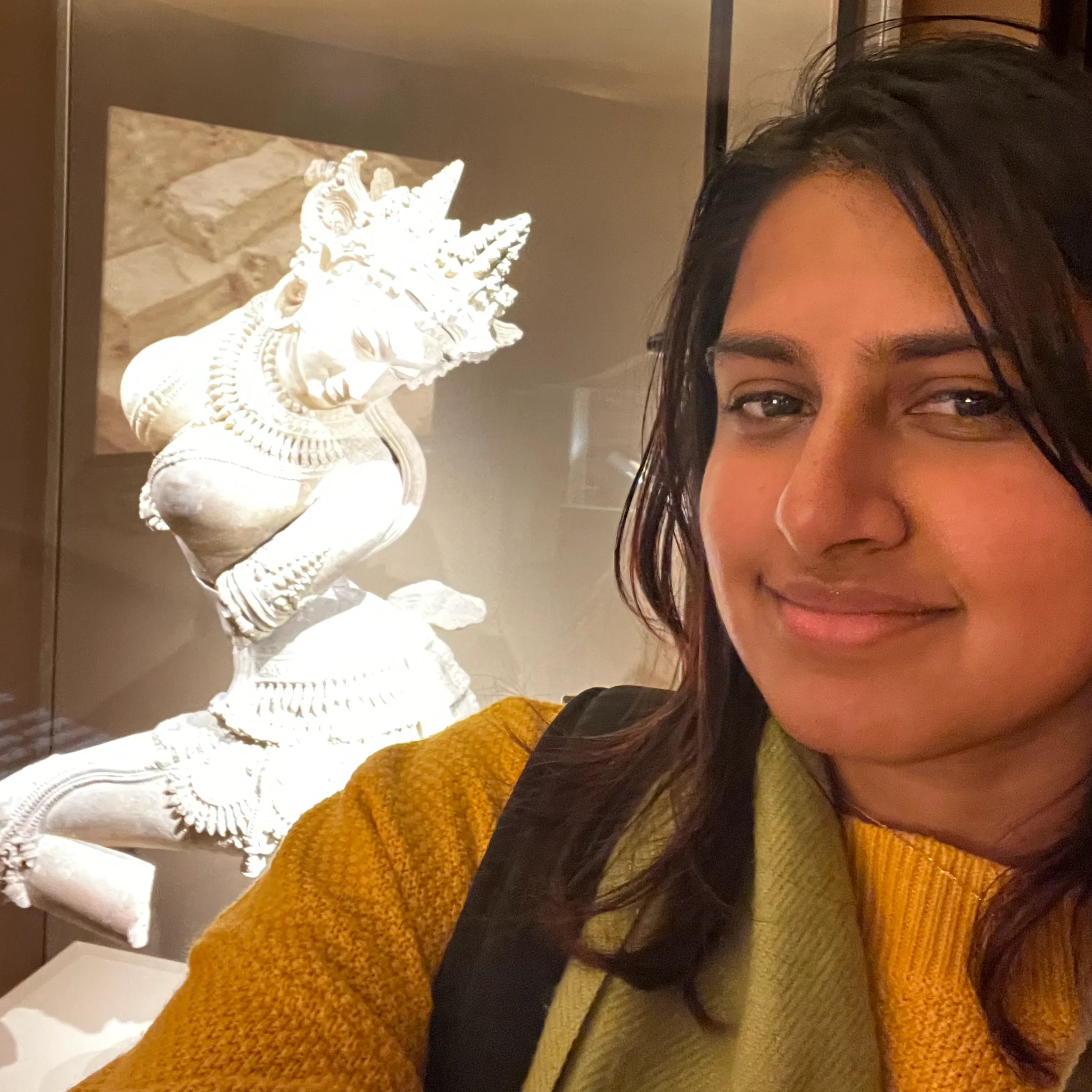
At the National Museum in Delhi, we were incredibly privileged because they opened the museum just for us. We learned about how many of the artefacts were recovered and the history behind them. One fact that particularly stood out to me was how the noses of statues had been broken as an act of humiliation toward the culture and art they represented. Some of the sculptures were considered promiscuous or vulgar by colonisers, whereas in the culture they were created in, they represented the natural state of humanity, as humans are not born with clothes. Great effort had gone into recovering and reconstructing pieces, including a vase that had been carefully restored. Many items in the museum were curated back to a semi-original state. I felt privileged to witness art that existed long before my time and had survived attempts to erase it.
Lotus Temple in Dehli
We all have different faiths and our own paths in life, but we are one in our humanity. Visiting the Lotus Temple was both new and also nostalgic for me. The juxtaposition between my feelings about the place felt me feel like I was in a higher dimension. On one hand the Temple reminded me of a movie called PK and all the things I’d learned about globalisation in school. On the other hand, for the first time I saw a path for world peace, where we coexist in harmony despite our differences.
JaipurFoot
Jaipur Foot reminded me of my grandfather, who had arthritis in his ankles. In India, many jobs require manual labour, so having limited mobility in the legs or ankles makes day-to-day life very difficult and limits the types of jobs a person can do. Many people lose their legs or feet in various ways, and many cannot afford prosthetics. However, Jaipur Foot provides fully subsidised prosthetic limbs. In a country where much of the workforce relies on manual labour, the legs are designed with India’s tough terrain in mind. It was a powerful example of designing with the people, for the people.
Kerala
In Kerala, we visited Amrita University. The people there were very kind and generous. Being community-minded seemed to come easily because it was embedded in their education. I really enjoyed meeting the students and learning about the current projects they were working on. One project focused on using a pest plant as fertiliser. The plant was removed from water bodies, where it was stealing oxygen and killing fish, and then repurposed to support agriculture. It addressed two problems at once. One student also shared an important perspective: when entering a village, people may have different beliefs and mindsets, so instead of going in with the intention of simply helping, it should be a mutual exchange of culture where we learn from them and they learn from us. That idea really stayed with me.
Chanakya in Mumbai
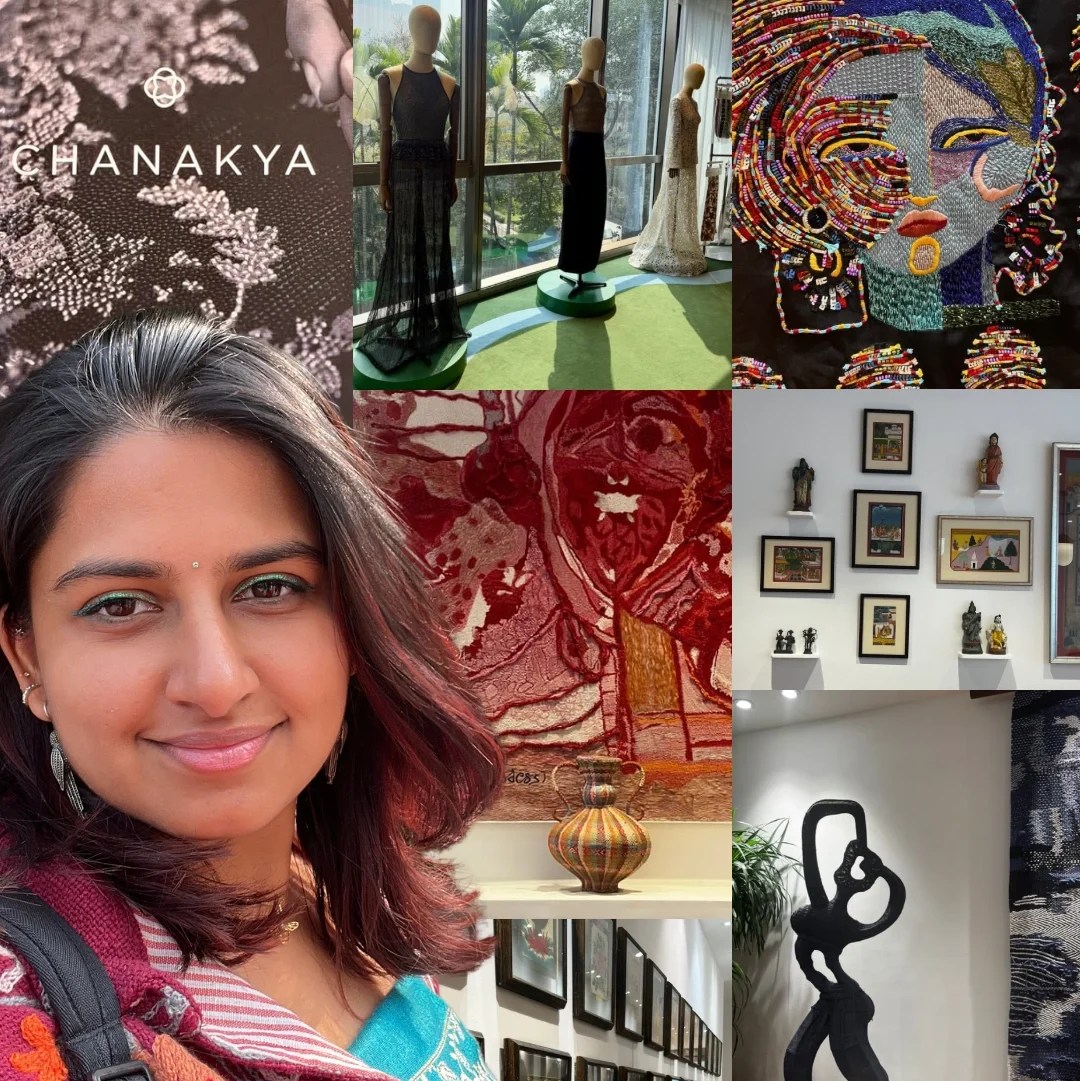
In Mumbai, we visited the Chanakya School of Craft, where we learned about their work in preserving traditional hand embroidery and craftsmanship in an age dominated by machinery. Separately, we also had the opportunity to meet master artisans and see their work up close. Watching them create such intricate, ethereal pieces by hand was incredible. As someone who loves to crochet, knit, sew, and try every craft I can get my hands on, seeing that level of skill and dedication was a dream come true. I even got to touch an original Dior dress made from silver zari for the first time, which was an unforgettable experience.
IIT Madras, Dehli and Mumbai
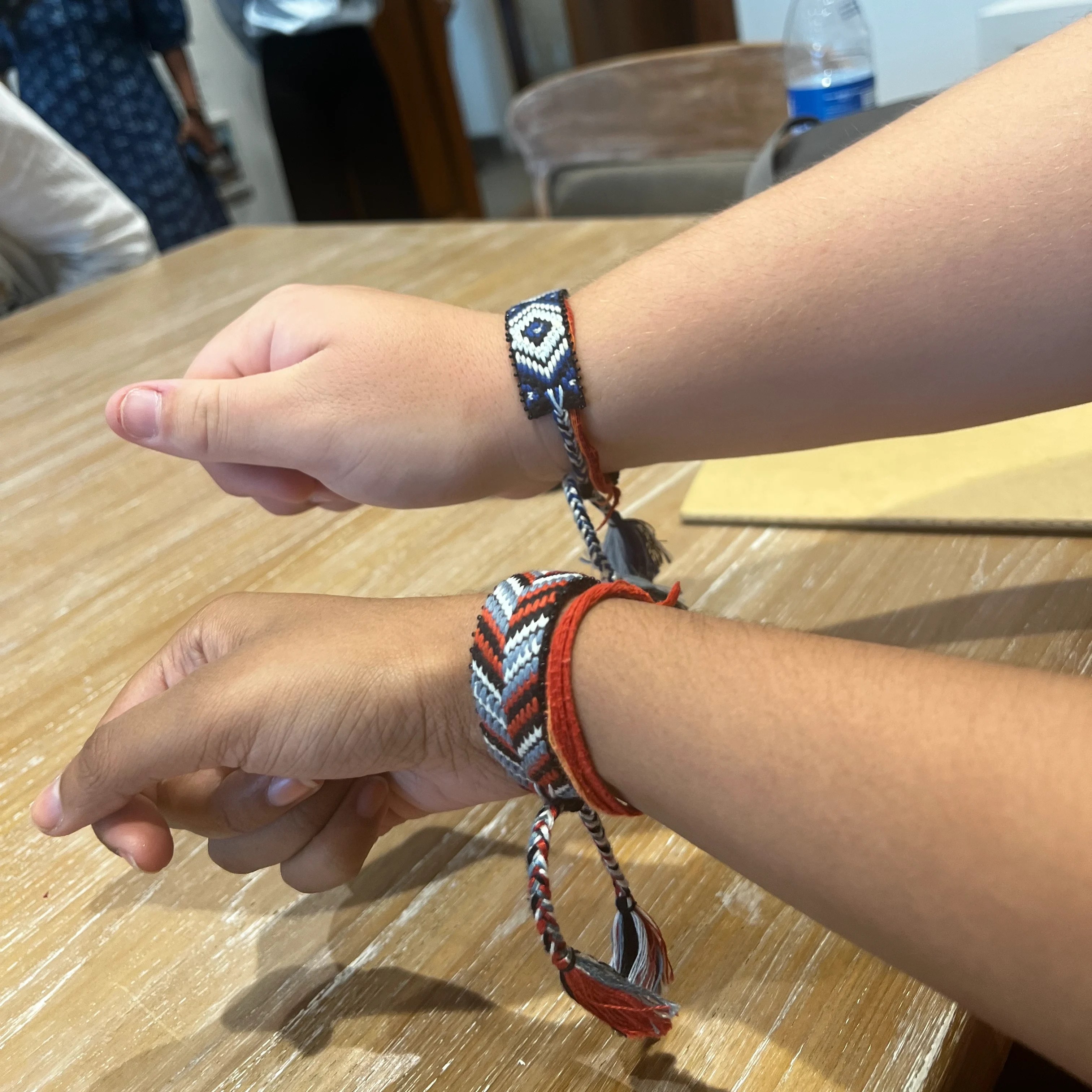
Although the universities we visited all carried the IIT name, they each felt very different. In Delhi, we met students who shared insights into campus culture and student life. In Mumbai, we spoke with startup founders and an active AI developer about the considerations involved in building large language models within an Indian context. One thing that was particularly memorable for me was learning that bias is intentionally introduced into AI systems. I had no idea that all AI carries bias in some form. That conversation changed how I think about the technology we build and the responsibility that comes with it.
I honestly feel like my world has become so much bigger after this trip. I’ve experienced things I never thought I would and seen parts of life I hadn’t been exposed to before. I’m really, truly grateful to the Indogenius team for making this possible and for everything they’ve done for us throughout the journey.
 Waikato Global Experiences Blog